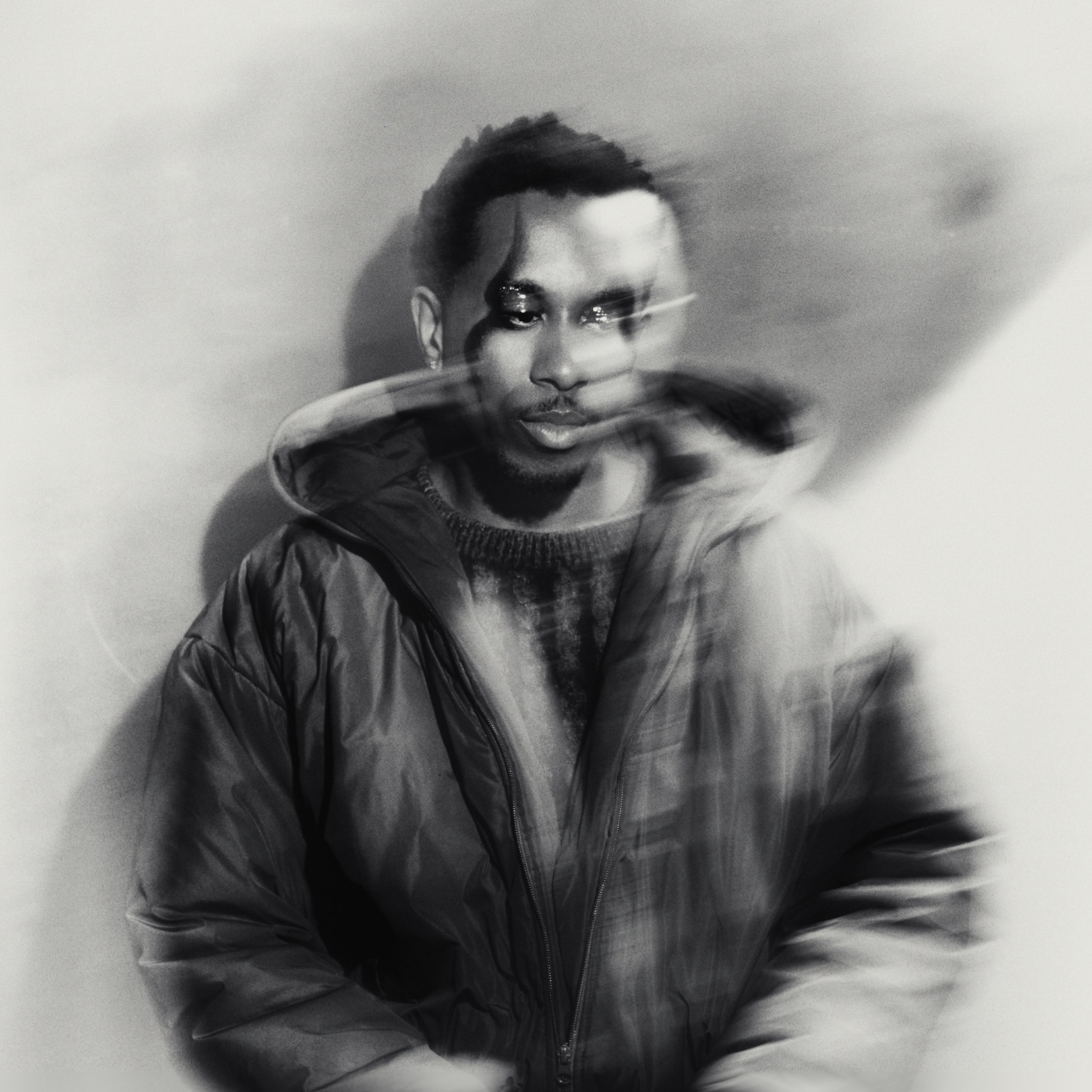
MORMOR

Agents: Ian White / Todd Walker

Territory: North America and South America

artist links

  • “one of Canada's most daring indie exports”

    - PAPER Magazine

bio

For a long time Seth Nyquist - better known as MorMor - defined himself through his independence. A self-described “isolated kid” who was raised in Toronto by his adoptive mother, herself a poet and professor, music was a way for him to process and delineate emotions while keeping the outside world at arms length. In the early days he would work largely by himself, from writing and recording through to engineering. This self-contained process led to his 2018 breakout song “Heaven’s Only Wishful,” a stunningly singular ballad that stopped the world in its tracks and brought him personal praise from both Rick Rubin, Adele, and Danger Mouse. His debut album Semblance, written and recorded during the pandemic lockdowns, finishing the final touches in London at the Church Studios with Paul Epworth and Riley Mcintyre followed in 2022. On new album No One Alive Will Listen, however, Nyquist flipped his process upside down and invited an array of collaborators into the mix; gone were the days of detachment and in their place came a process of letting go and allowing others in. It has led to a body of work teeming with life and bursting at the seams with new ideas and fresh perspectives. Ironically for an artist so used to solitude, bringing others on board with No One Alive Will Listen results in Nyquist having never sounded more like himself. 

Internal turmoil and conflict lay at the core of No One Alive Will Listen. The album documents a challenging period in the run-up to, and aftermath of, a recent break-up. The songs, which move through sleek and confident electronic pop into moments of pure devastation, offer a cross-examination of Nyquist’s psyche and delve deep under his skin as he asks probing questions about the patterns of his life as a once-fulfilling relationship deteriorates in real time. It’s about trying to love somebody else before ultimately having to save yourself. “Everyone wants to be loved and this record leans into that in a direct way,” he explains. “However, there's also a liberation in saying, ‘I don’t need your love anymore.’”

Recorded between London, Toronto, and at Rick Rubin’s Shangri-La studios, No One Alive Will Listen is by turns punchy, spacious, gentle, and rich. Throughout it sounds utterly alive, a quality aided by his distinctive voice—a weightless tenor that gains clarity as it soars into higher registers and pierces through the rock solid basslines and dizzying percussion that provide the musical backbone. Collaborators on the album include producers Hudson Mohawke (Ye, ANOHNI, Charlie XCX ), Jack Peñate (SAULT), and Russell Boring (JOBA/Brockhampton) alongside musicians Kane Ritchotte (Haim, Portugal the man), John Keek(DIjon, Mk.Gee, Vegyn), and Caleb Laven (Frank Ocean, SZA, Joy Again). “Like Heaven,” the album’s lead single, features an appearance from British artist Celeste, whose vocal arrives like an intoxicating cloud of smoke and pushes a song about finding hope in faithless times to truly ascend. 

“There’s an element of spontaneity and rawness with this album,” Nyquist explains. “I love melody and I have never run away from that but I have always had big visions, too.” The birth of this album came from his search for answers at a time when he was close to the edge. It was making the project that helped clarify his feelings. “So much was changing for me but the only constant in my life was music.”

In trying to be as vulnerable as possible, Nyquist’s songwriting comes through louder and more direct than ever before. Album opener “Don’t Need It,” where rich melodic hooks surf over dark-hued 2-step garage beats, has a Jenny Holzer-esque approach to sloganeering as a form of direct communication. “I don’t need your ways anymore,” he cries out before adding “I can’t waste my time” with a mixture of empathy and venom. “Hurt You,” meanwhile, finds Nyquist raking himself over the coals and apologising for his own bad behavior. “I was born this way,” he sings with a bittersweet sigh.  

“It’s less about hiding behind metaphor and more about being open about what I’m actually feeling,” he says of his approach to writing lyrics this time out. “I want to reveal parts of myself that others might not feel comfortable sharing.”

In addition to opening up emotionally, No One Alive Will Listen also marks a broadening of the MorMor sound. With a spirit of accepting what life threw at him, Nyquist shed his inhibitions like never before. “Erase Me,” featuring drum programming from Hudson Mohawke, embraces the stadium-sized potential of this music with clapalong drums and a widescreen sensibility. “It’s Alright,” meanwhile, leans in a hip-hop direction with Nyquist finding pockets of space on a crisp and laidback beat. “I used to avoid my rap influences because I didn’t want to be boxed in or defined too narrowly,” he says. “My first records were about escaping that, but I don’t care anymore—I’m going to be whatever I am, and it’s up to everyone else to make it make sense.”

It is through opening up, both to his own emotions and working with others, that Nyquist was able to deliver an album of such clarity, nuance, and ambition. “Working alone sucks,” he says with a laugh, shaking his head at how things used to be. “It’s torturous and isolating.”

The shift that came from loosening his grip on the wheel also makes the future look like an exciting place to be. 

“I used to think about how things would be received so much,” he says. “It started to shape decisions without me even realizing. I made music from the heart but there was always this pressure in the background. I’m not trying to control the narrative anymore.” The music’s only going to get more unfiltered, more instinctive, and more extreme in places, Nyquist says, “and I’m fine with that.”


short bio

Seth Nyquist, better known as MorMor, used to work in isolation. This self-contained process led to his 2018 breakout song “Heaven’s Only Wishful,” a stunningly singular ballad that stopped the world in its tracks and brought him personal praise from both Max Martin’s MXM Music and Steven Malkmus. His debut album Semblance, written and recorded during the pandemic lockdowns, followed in 2022. For his new era, however, collaboration is key. “Working alone sucks,” he says with a laugh, shaking his head at how things used to be. “It’s torturous and isolating.”

The days of detachment in this new era and in their place is a feeling of letting go and allowing others in. Celeste, the Brit and Mercury Prize nominee, appears on the brand new single “Like Heaven.” Her voice sits perfectly alongside Nyquist’s cut-glass tenor, arriving like an intoxicating cloud of smoke and pushing a song about finding hope in faithless times to truly ascend.

Celeste’s involvement was unplanned. “She came to [Rick Rubin’s Malibu studio] Shangri-La simply to hang out, but ended up jumping on the mix,” he says. “Her vocal was recorded in that first session and it remains in the final version. She captured a raw, immediate energy that couldn’t be recreated.”

Nyquist was keen to embrace that sense of freedom as he worked on the follow-up to Semblance. “There’s an element of spontaneity and rawness,” he explains. “I love melody and I have never run away from that but I have always had big visions, too.” 

“It’s less about hiding behind metaphor and more about being open about what I’m actually feeling,” he adds. “I want to reveal parts of myself that others might not feel comfortable sharing.”

The shift that came with loosening his grip on the wheel also makes the future look like an exciting place to be. 

“I used to think about how things would be received so much,” he says. “It started to shape decisions without me even realizing. I made music from the heart but there was always this pressure in the background. I’m not trying to control the narrative anymore.” The music’s only going to get more unfiltered, more instinctive, and more extreme in places, Nyquist says, “and I’m fine with that.”

gallery

press

"one of Canada’s most daring indie exports" - PAPER Magazine

MorMor’smusic is rich with unexpected and experimental sounds”- Wonderland Magazine